Distinctive Characteristics
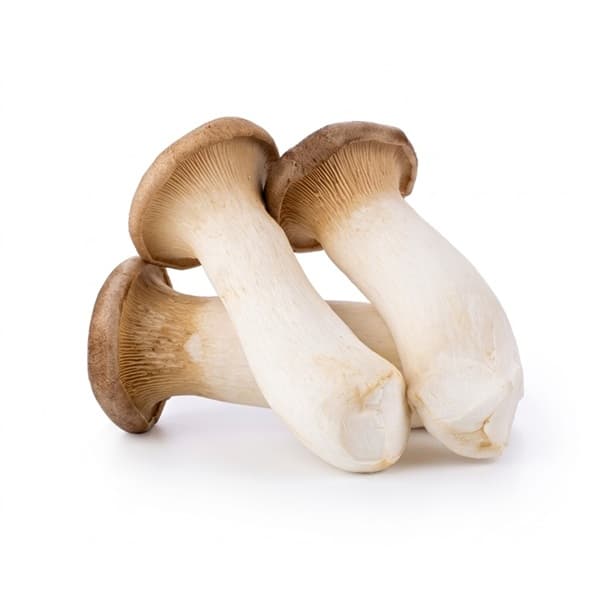
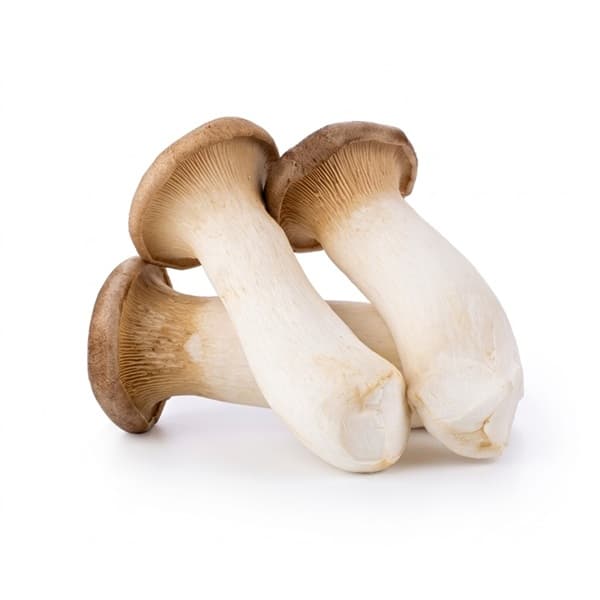
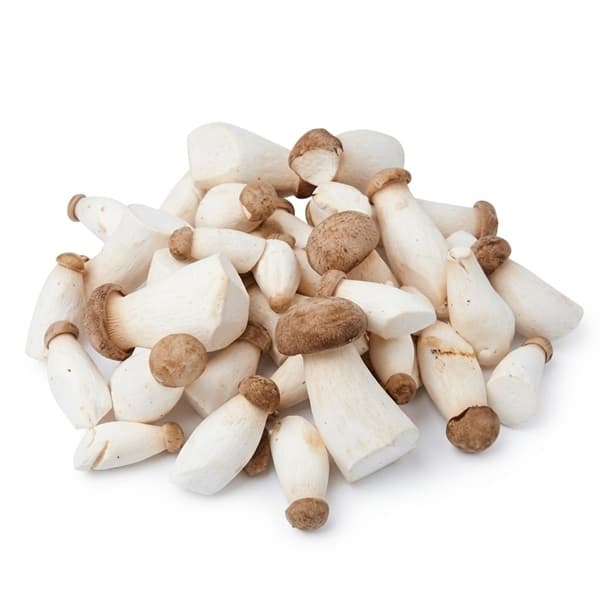
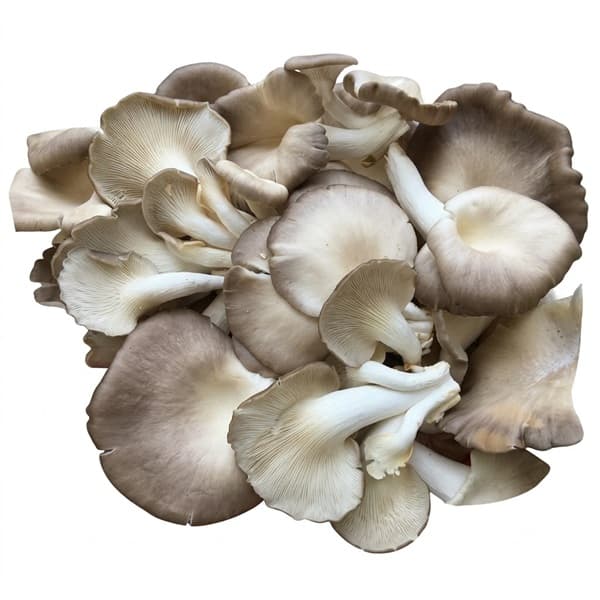
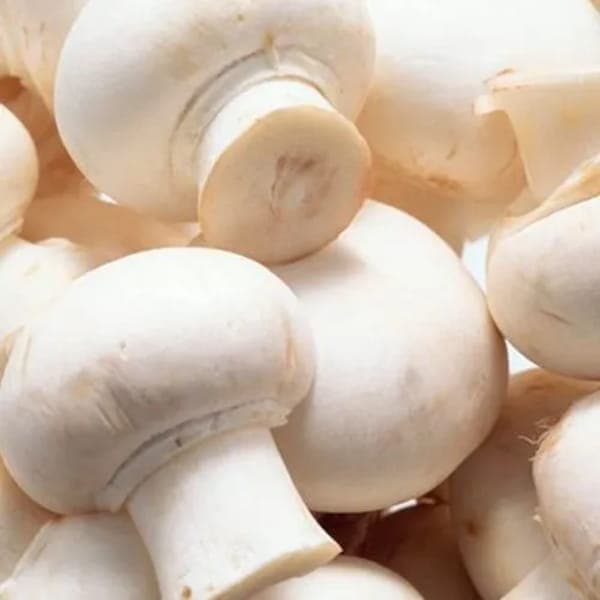
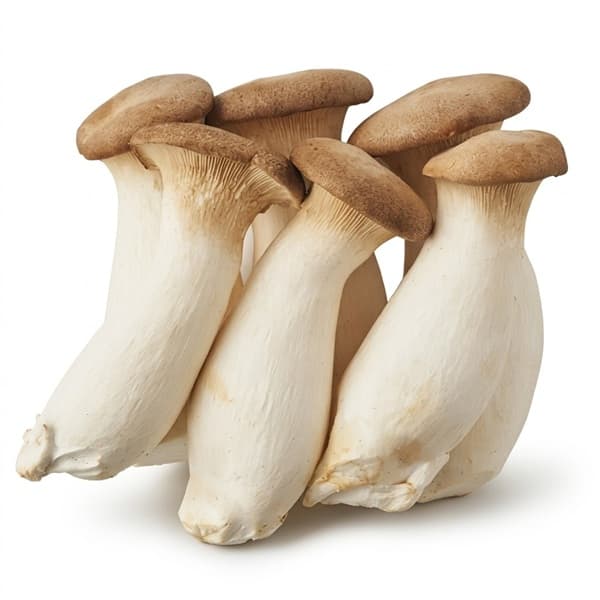
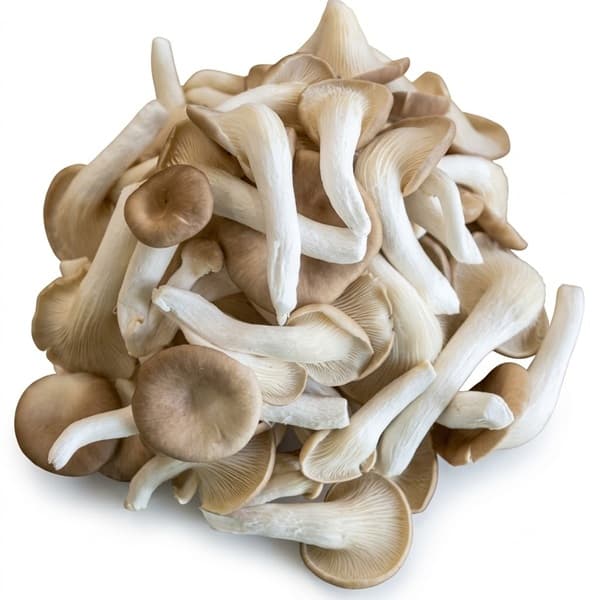
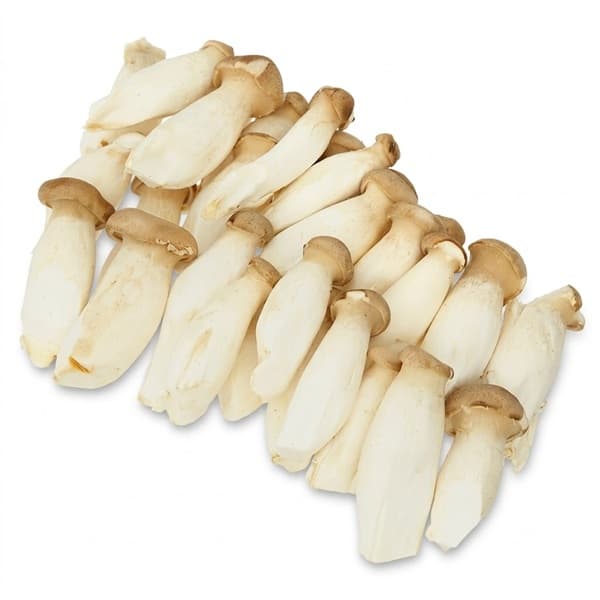
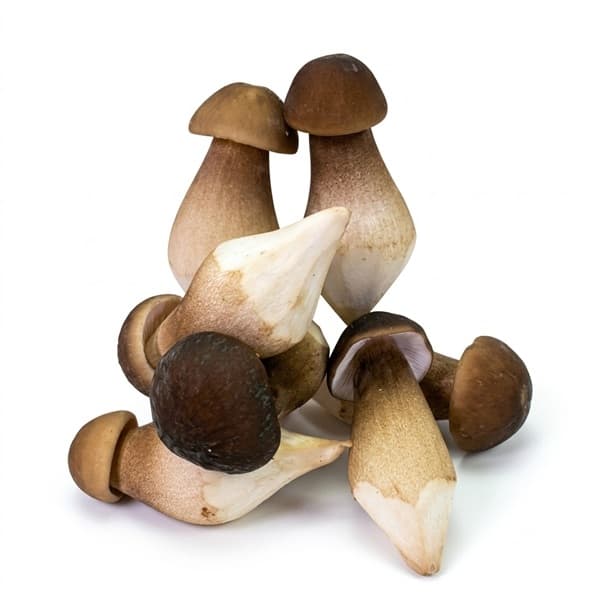
The stem is white, cylindrical, thick, and firm, typically much larger than the cap.
The cap ranges from creamy white to light brown, with a round or slightly flattened shape and a relatively smooth surface.
The flesh is white, thick, firm, and resilient.
The mushrooms are commonly harvested whole, preserving their distinctive shape with a large stem and smaller cap.
Flavor & Texture
King oyster mushrooms have a mild characteristic mushroom aroma, a naturally sweet taste, and a subtle umami flavor. The stem has a thick, firm, and slightly chewy texture that remains pleasantly meaty and resilient after cooking. The mushroom readily absorbs seasonings, making it suitable for a variety of cooking methods, from simple preparations to longer cooking processes.
Uses & Applications
Can be sliced or shredded for stir-frying with vegetables, meat, and other ingredients.
Suitable for hot pots, soups, and broths.
Can be grilled or pan-seared to create a lightly browned surface while maintaining a firm texture inside.
Suitable for steaming, braising, or simmering with sauces and seasonings.
Can be used as an alternative to or combined with ingredients that have a meaty texture in certain vegetarian dishes.
Can be used whole, sliced, cut into pieces, or shredded depending on the preparation method.
Nutritionally, king oyster mushrooms provide dietary fiber, protein, several B vitamins, potassium, phosphorus, and naturally occurring compounds found in mushrooms. Nutritional composition may vary depending on the variety, growing substrate, cultivation conditions, and maturity of the mushrooms.